
The gymnastics movements in CrossFit, just like the lifts, are successfully achieved when you combine strength with other physical skills—flexibility, coordination, balance, body awareness, and control being some of them.
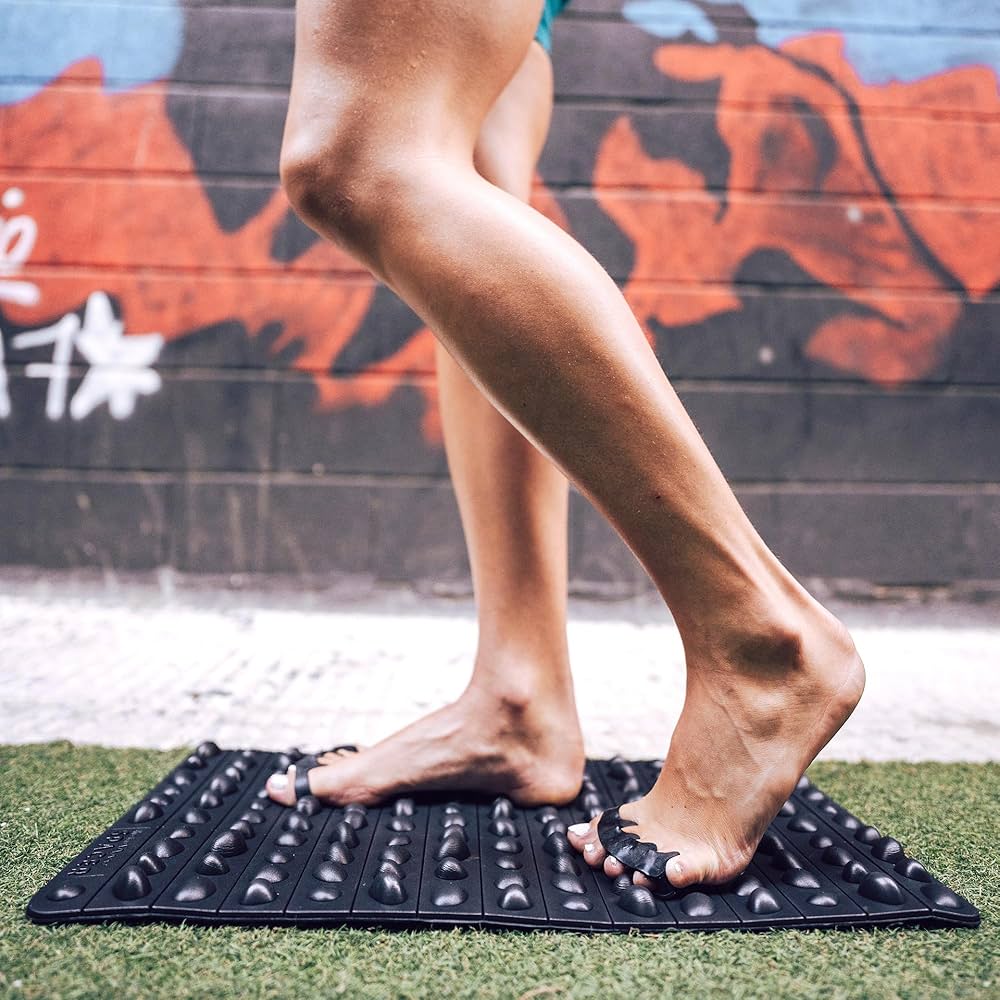
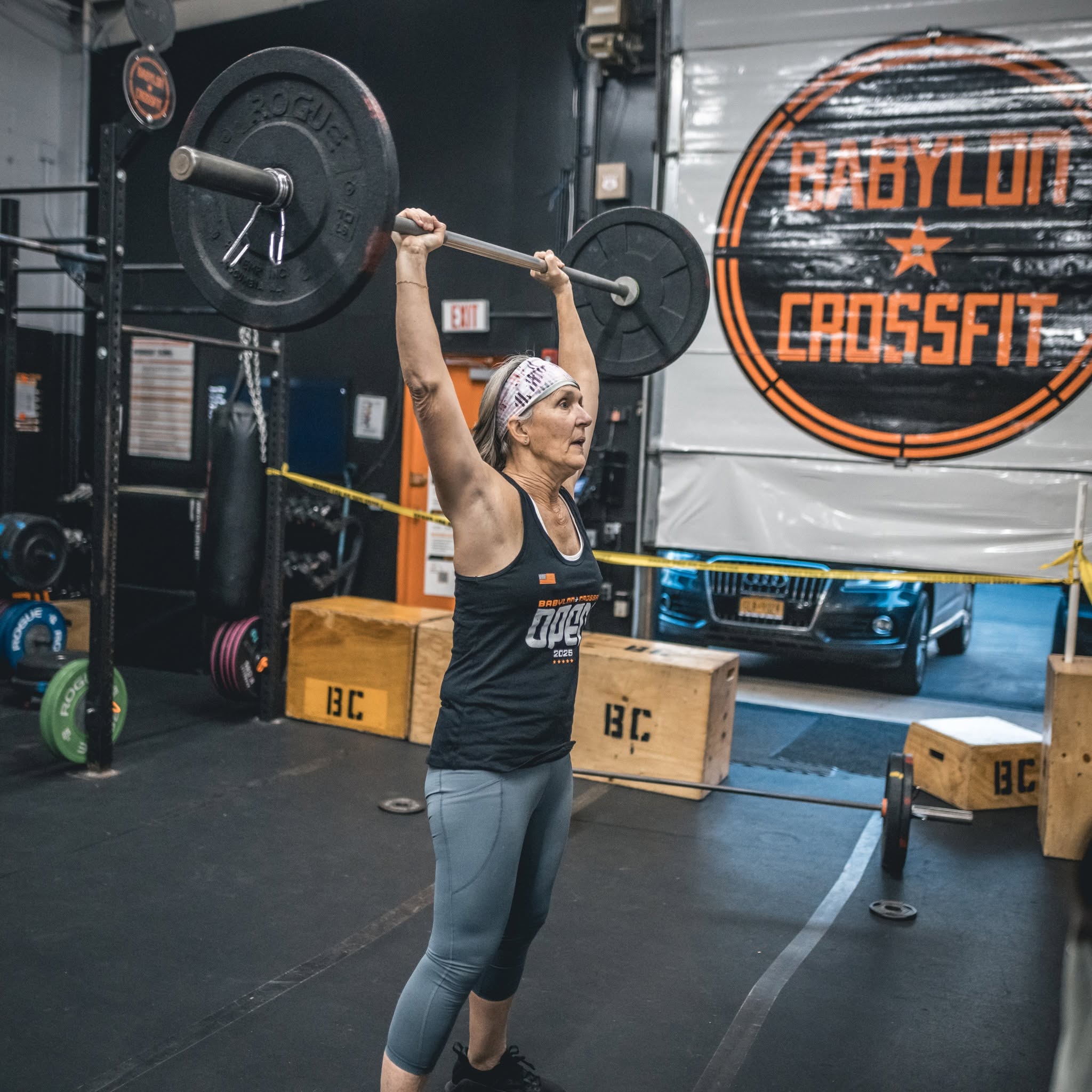
But one of the most important skills is learning to truly connect your brain to your body. There is a difference between standing and actually feeling your feet push into the ground. Holding a barbell overhead and actively pressing through your shoulders to create stability. And there is a difference between picking up your hand during handstand walk and pressing through one arm so your body is supported as the other hand lifts up.
That connection takes time and so much patience. But when you learn to feel a movement as you perform it, you develop your own internal measuring system. You can
recognize when something feels right and, just as importantly, when it doesn't.
Take the kip swing, for example. Once you understand what a good kip swing feels like in your body - the shoulders moving forward, actively pressing down on the bar as you swing back - you can jump onto the bar and recognize almost immediately when something is off.
That awareness is a powerful tool.
Feel the Movement
My advice? Take in every correction and cue your coaches give you. Your coaches are giving you feedback based on what they can see. Your job is to connect that information to what you can feel.
This is why you may hear a million different versions of the same cue. What clicks for one person may not click for another.
Take a muscle-up, for example:
-One coach might tell you to “toss the hat” off your head to encourage you to get on top of the bar.
-Another might tell you to push your feet down faster to help you open your hips at the right time.
-Another might tell you to push down on the bar as if you're getting yourself out of a pool.
All three coaches are trying to help you accomplish the same thing. But one of those cues may be the one that finally connects your brain to your body. The more technical, physics-based understanding of the movement can come later. First, you need to understand what the movement is supposed to feel like. Once you have that feeling, you can start to understand why it works.
Start From the Ground Up
You need the basics to build from. It's what coaches say all the time—and for good reason. Build strength and control in the simpler versions of a movement before adding speed or complexity. Strict pull-ups before kipping pull-ups. Push-ups before pike push-ups, and pike push-ups before handstand push-ups. Single-unders before double-unders. The foundation of basic movement, combined with strength and conditioning work, gives you the ability to progress safely and confidently into more complex gymnastics movements.
Handstands
Getting completely upside down can be intimidating. For many people, the biggest challenge isn't just physical strength - it's trusting your body in a position that doesn't
feel natural.
Working on skills and drills that prepare you mentally and physically will help it feel less daunting. Scap push ups and holding dumbells or plates overhead without any bend in your elbow. Pressing your hands against the wall and using the box to start getting upside down with less body weight.
Each step builds confidence and body awareness.
Eventually, you'll begin to recognize the difference between holding yourself upside down and actively pressing through the floor. You'll understand what it feels like to create enough tension and stability that bending your elbows and collapsing to the floor isn't even an option.
If you ask me, I'd say learning a freestanding handstand should come before attempting handstand walks.
Why?
Because a handstand walk isn't simply a handstand with your hands moving. It's the ability to maintain the balance, tension, and shoulder strength you developed in
your handstand while intentionally shifting your weight from one hand to the other.
And that brings us back to the most important lesson:
Don't just do the movement. Learn to feel it.
The stronger your connection between what your coach sees and what your body feels, the more independent you'll become as an athlete. Eventually, you won' t need someone standing beside you to tell you when something is wrong. You'll know—because your body will tell you.











.jpg)