Protein is one of the most important macronutrients in a healthy diet. It’s the “building block” for muscle, tissue repair, and recovery—something every Babylon CrossFit athlete relies on to perform well, recover faster, and stay strong. With the surge of new food products on the market, many athletes are starting to explore protein options beyond traditional meats, beans, and supplements.
Whether you're trying to build lean muscle for your lifts, follow a more plant-forward diet, or are simply curious about all the new “meatless” options at the grocery store, you might be wondering if alternative proteins are worth adding to your routine.
What Are Alternative Proteins?
Traditional protein sources include animal proteins (meat, poultry, dairy) and plant-based foods (beans, lentils, nuts). These are rich in amino acids—the compounds your muscles need to grow and recover after tough WODs.
Alternative proteins, however, include both natural and lab-developed options that aren’t typically found in a standard diet. These include:
Why Babylon CrossFit Athletes Might Consider Them
1. Sustainability
Many athletes at Babylon CrossFit value lifestyle choices that are healthier not just for the body, but for the environment. Animal agriculture uses significant land, water, and generates substantial emissions. Plant-based proteins and insects can offer a much smaller environmental footprint.
So if you’re a member who’s eco-conscious, subbing in a plant-based protein meal once or twice a week can reduce your environmental impact without hurting your fitness goals.
2. Potential Nutrition Advantages
Eating more plant-based foods can increase your intake of fiber, vitamins, and minerals—all of which support inflammation control and recovery.
Studies show that a high-quality plant-forward diet is associated with lower long-term health risks, and options like mycoprotein offer great protein and fiber while being low in cholesterol and saturated fat.
For CrossFit athletes, that means:
Challenges to Keep in Mind
1. Protein Quality
The biggest consideration for athletes? Amino acids.
Animal proteins are complete—they contain all 9 essential amino acids needed for muscle repair.
Many plant proteins are incomplete, meaning you may need to combine different sources (like rice + beans) to get the full amino acid profile your muscles need after a lifting day.
While research shows both plant and animal proteins can support muscle growth, animal proteins have a slight edge in improving lean mass percentage. This doesn’t mean plants can’t work—just that you need to be intentional.
For Babylon CrossFit athletes: if you rely heavily on plant-based proteins, make sure you're pairing them correctly and getting enough total protein to support your training volume.
2. Ultra-Processing
Many alternative proteins—especially plant-based “meats”—are highly processed. That means:
Some brands even contain up to 7.9× more sodium than their meat counterparts.
For athletes trying to stay lean, perform well, and recover efficiently, whole-food protein sources typically provide a cleaner nutrition profile.
Bottom Line for Babylon CrossFit Members
Yes, alternative proteins can absolutely have a place in your diet.
They can help diversify your protein intake, reduce environmental impact, and support a more balanced nutrient profile.
But remember:
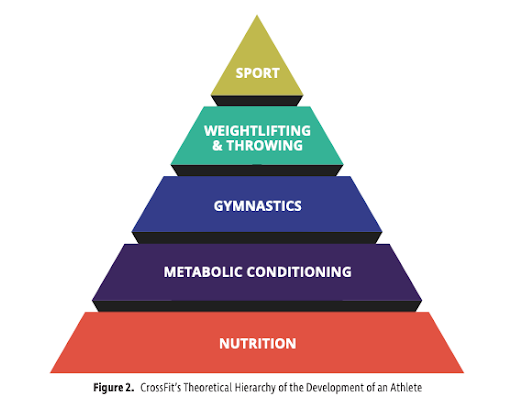
Ultimately, alternative proteins can be a useful tool in your nutrition toolbox—but they shouldn’t replace the fundamentals that help you lift stronger, recover faster, and perform your best at BC.




















.jpg)