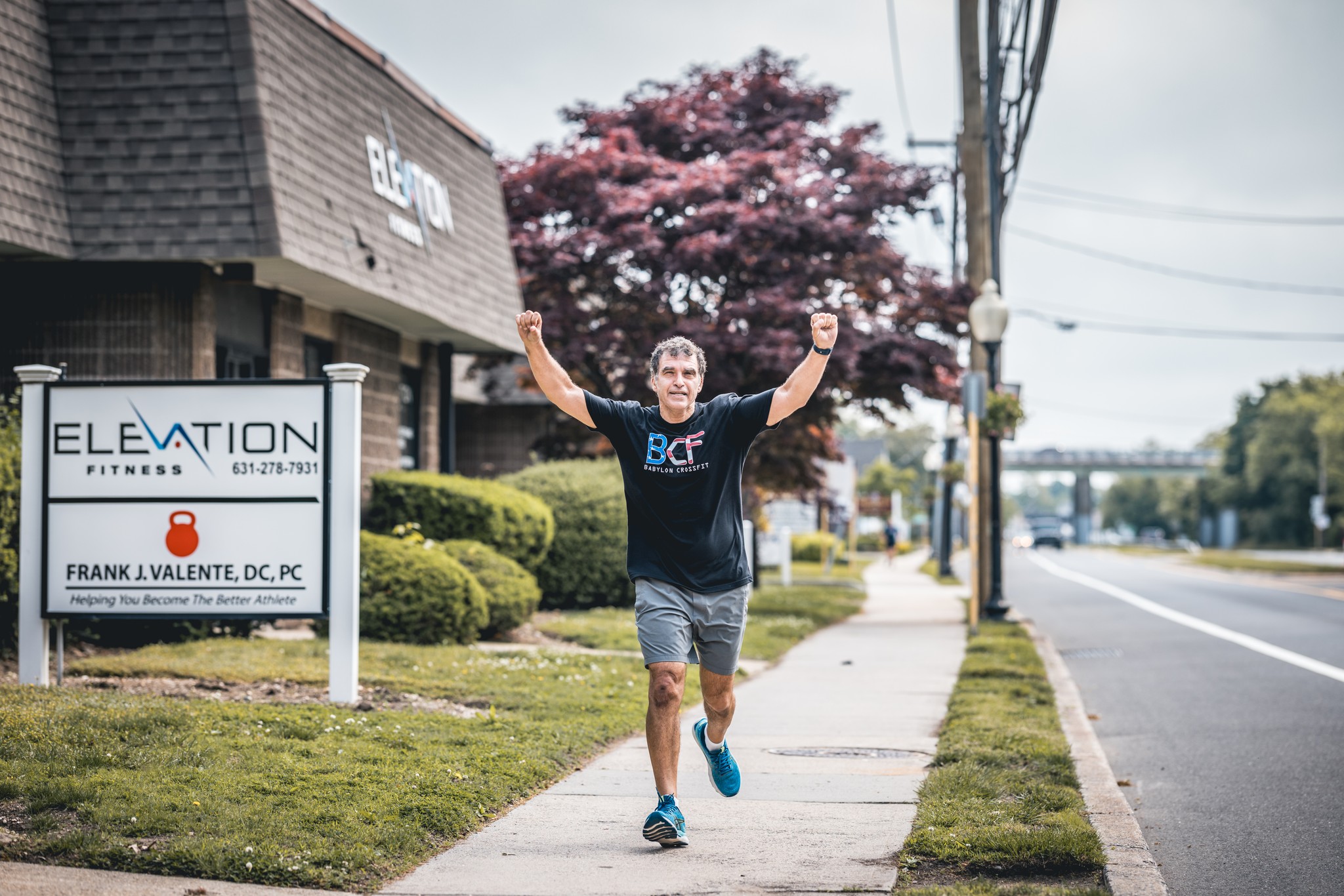

As the weather warms up and daylight stretches longer, runners of all levels start lacing up their shoes with renewed motivation. Whether you're gearing up for your first 5K, chasing a marathon PR, or simply getting back into a routine, the transition into running season is one of the most critical times for your body.
As both a physical therapist and CrossFit coach, I see this season as an opportunity—not just to run more, but to run better.
Build Your Base the Right Way
One of the biggest mistakes runners make each year is ramping up mileage too quickly. Your
cardiovascular system adapts faster than your muscles, tendons, and joints. That means even if
you feel ready, your body might not be.
Start with a gradual progression:
● Increase weekly mileage by no more than 10%
● Alternate hard and easy days
● Prioritize consistency over intensity
This approach reduces your risk of common overuse injuries like shin splints, runner’s knee, and Achilles tendiopathy.
Strength Training Is Not Optional
If you want to run farther, faster, and pain-free, strength training must be part of your routine. This is where many runners fall short.
Incorporating functional strength work—especially movements that target the posterior chain (glutes, hamstrings) and core—can:
● Improve running economy
● Enhance power and stride efficiency
● Reduce injury risk
Think squats, deadlifts, lunges, and single-leg work. Even 2–3 sessions per week can make a noticeable difference.
Mobility: Your Secret Weapon
Running is a repetitive, linear movement. Without proper mobility, you’re setting yourself up for compensation patterns and eventual breakdown.
Focus on:
● Hip mobility (tight hips = poor stride mechanics)
● Ankle mobility (critical for shock absorption)
● Thoracic spine rotation (helps with efficient arm swing)
A simple 10-minute daily mobility routine can go a long way in keeping you moving well all season.
Listen to Your Body (Before It Forces You To)
Pain is not a badge of honor—it’s feedback.
If you notice:
● Persistent soreness on one side
● Sharp or worsening pain during runs
● Decreased performance or unusual fatigue
…it’s time to address it early. Small issues become big injuries when ignored.
Recovery Is Where Progress Happens
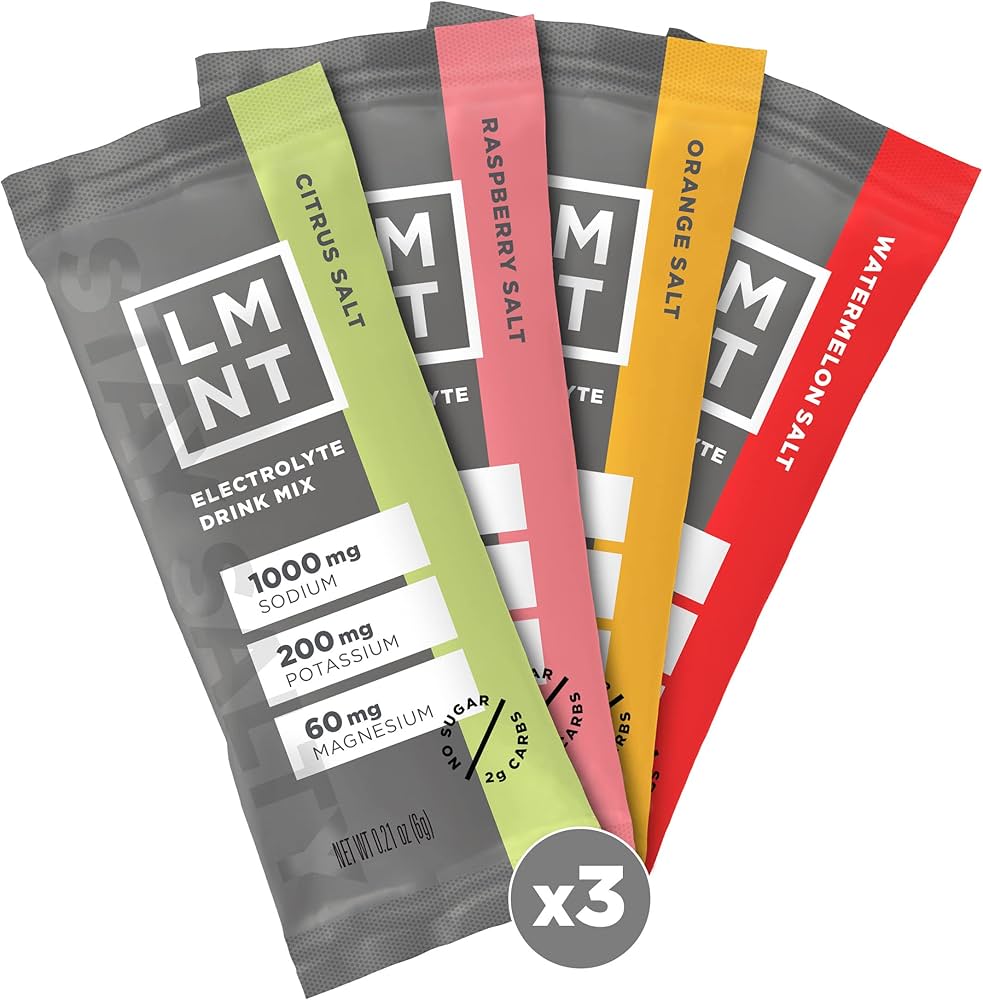
Sleep, hydration, and nutrition are just as important as your training plan. Your body rebuilds and adapts during recovery—not during the workout itself.
Don’t skip:
● Rest days
● Post-run fueling
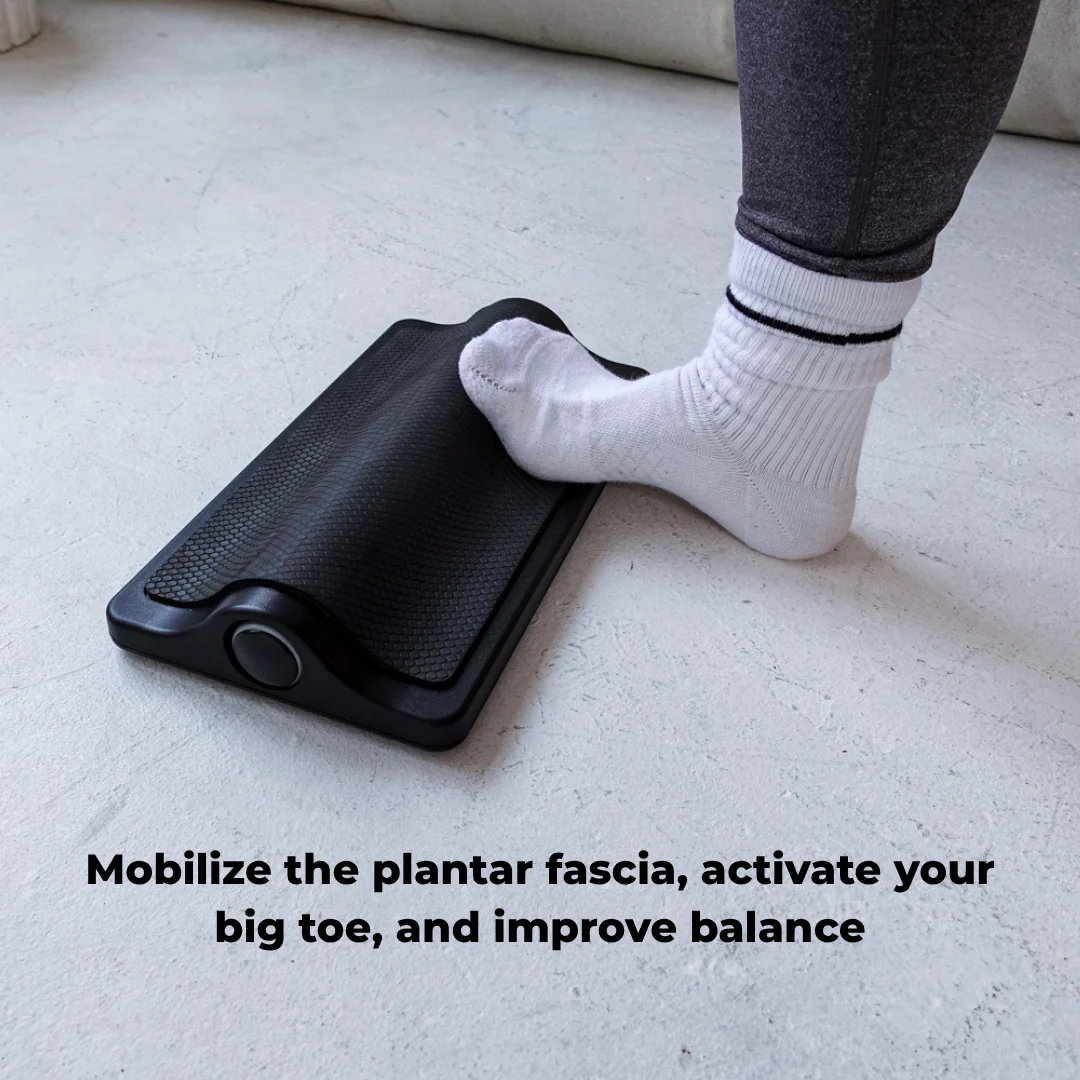
● Soft tissue work (foam rolling, manual therapy)
Ready to Run Stronger This Season?
If you want to stay ahead of injuries, improve performance, and train with purpose, working with a physical therapist can be a game-changer. At Movement Headquarters Physical Therapy, we specialize in helping runners and athletes move better, train smarter, and perform at their highest level. Whether you're dealing with a nagging injury or just want a personalized plan to optimize your running season, we’re here to help.
Set up a FREE 15-minute discovery call to see how we can help or book your movement assessment today and take the first step toward your strongest, healthiest running season yet.





















.jpg)